
Honey Just Call ClearView

starServing Calgary Since 1997star

Clearview

Call Now... Problem Solved!

403 407-1693

Archive for June, 2009

Ghosts or Deadly Emissions?

Monday, June 29th, 2009

Vaporous apparitions, disembodies voices and sounds, and a general feeling of dread in certain areas of your home. These are the classic signs of a haunted house – or a carbon monoxide leak. Carbon monoxide poisoning can lead to all of the phenomenon that are commonly believed to be signs of a haunting. However, people become convinced that they are being visited by long dead relatives or the previous occupants of a home and it never occurs to them that what they are experiencing is often the sign that they have been inhaling a toxic and odorless gas called carbon monoxide.

So,if you believe your home is being invaded by visitors from the netherworld, you could be right. However, in the interest of safety, you should have your home checked out by a qualified plumber. They have the ability to do a carbon monoxide test your home for deadly carbon monoxide leaks and find the source. Calling a plumber can prevent you from becoming a ghost yourself.

Tips on Maintaining In-Sink Waste Disposals

Friday, June 19th, 2009

I can’t tell you how many customers lament the regularity with which their garbage disposal jam and clog. So I’m going to summarize some maintenance tips, and tell you about the benefits of upgrading to a modern unit.

Rust is your disposal’s number one enemy. To prevent it, run the waste disposal whenever you put food into it, while also running cold water. You should avoid fibrous foods like celery, but eggshells and ice cubes will help clean the unit.

Your disposal could last 10 years, so if it stops running, hums without running, runs intermittently, or leaks before that time, the issue is likely reparable. Possible causes to these problems could respectively be blown fuses, jammed impellers, defective switches or stops, or loose connections. If it’s running louder than normal, some parts could be damaged. I’d recommend replacing the entire disposal, because today’s newer models are quieter and more efficient.

Prevent Hot Water Heater Hazards By Getting Your Relief Valve Tested

Sunday, June 14th, 2009

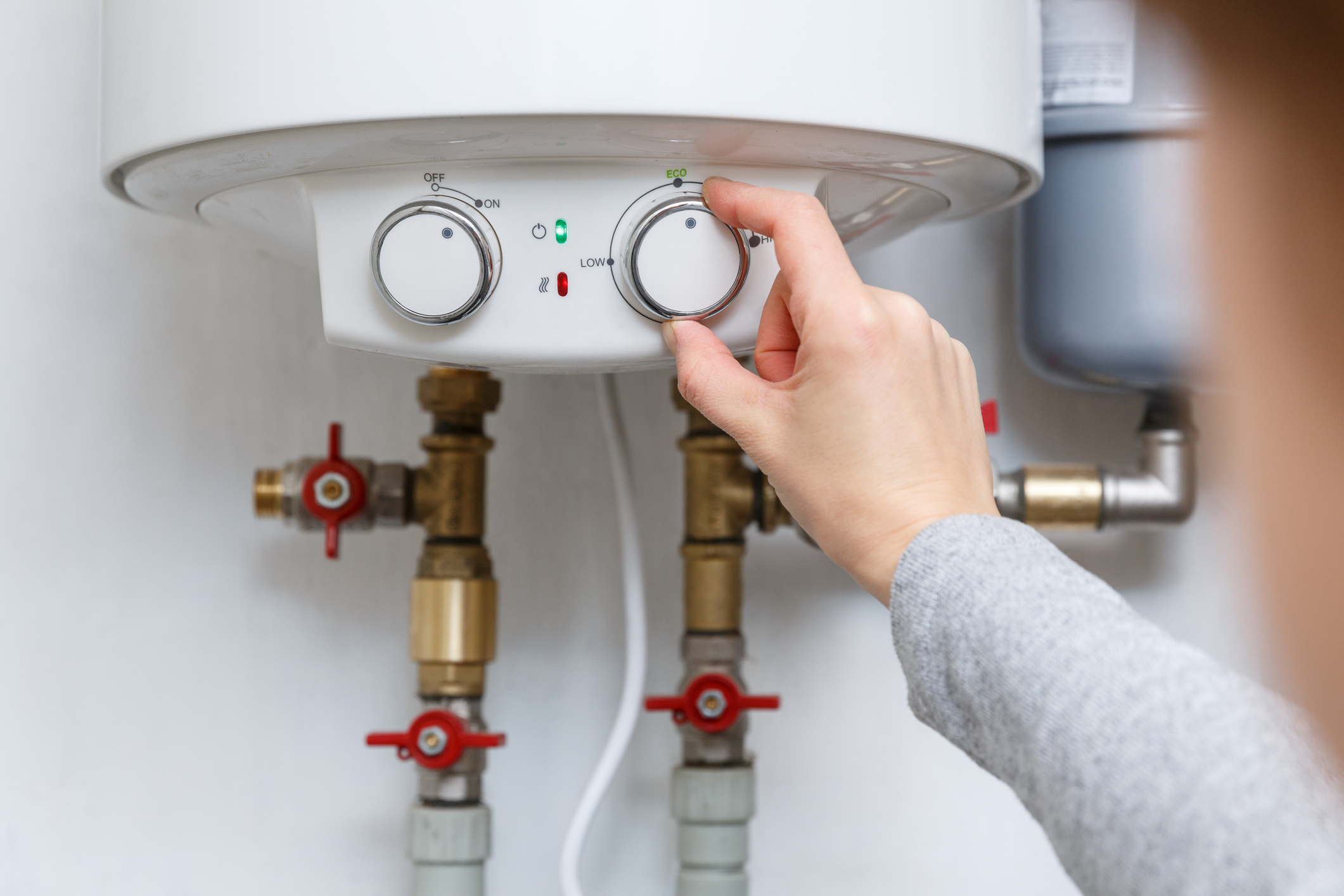
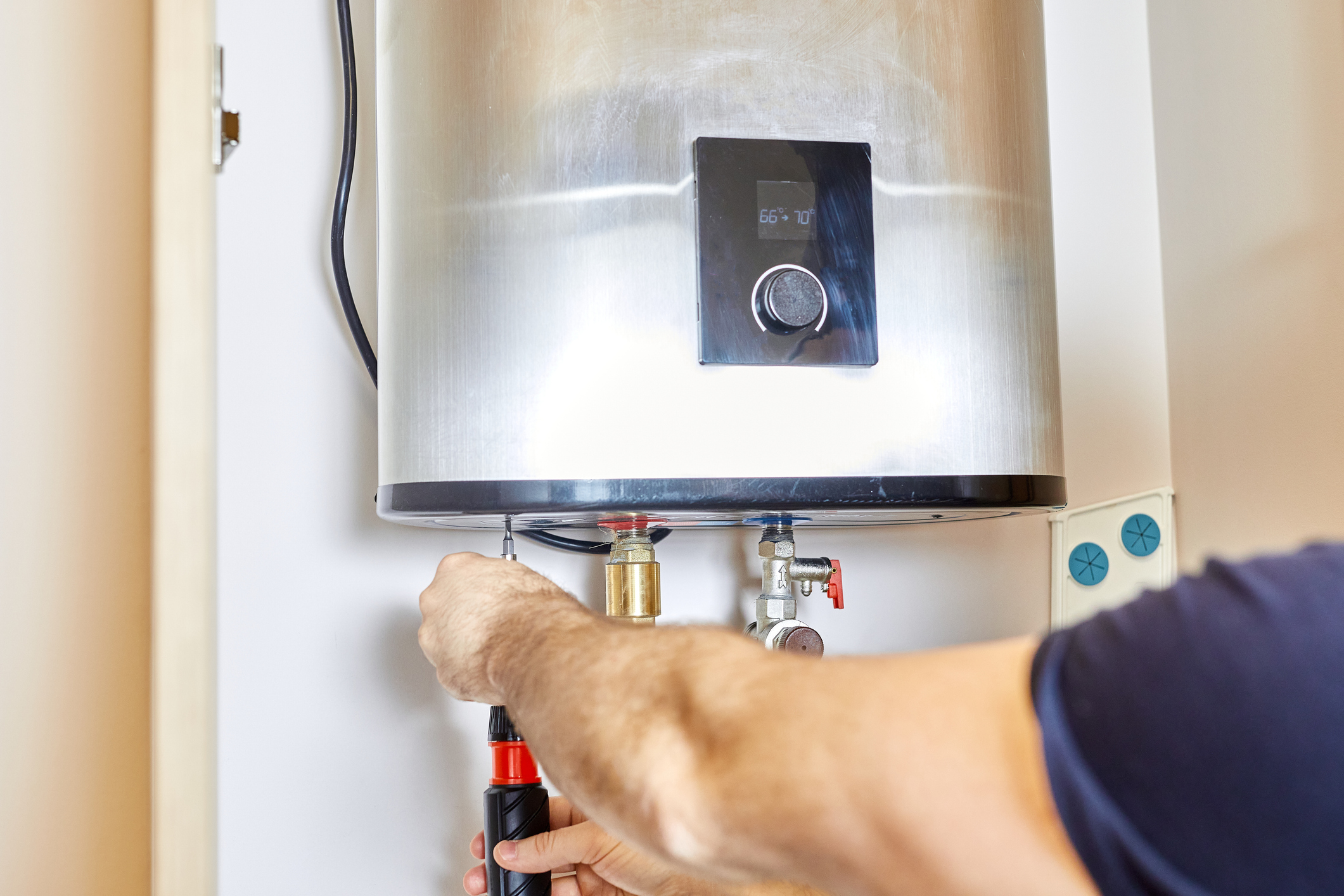
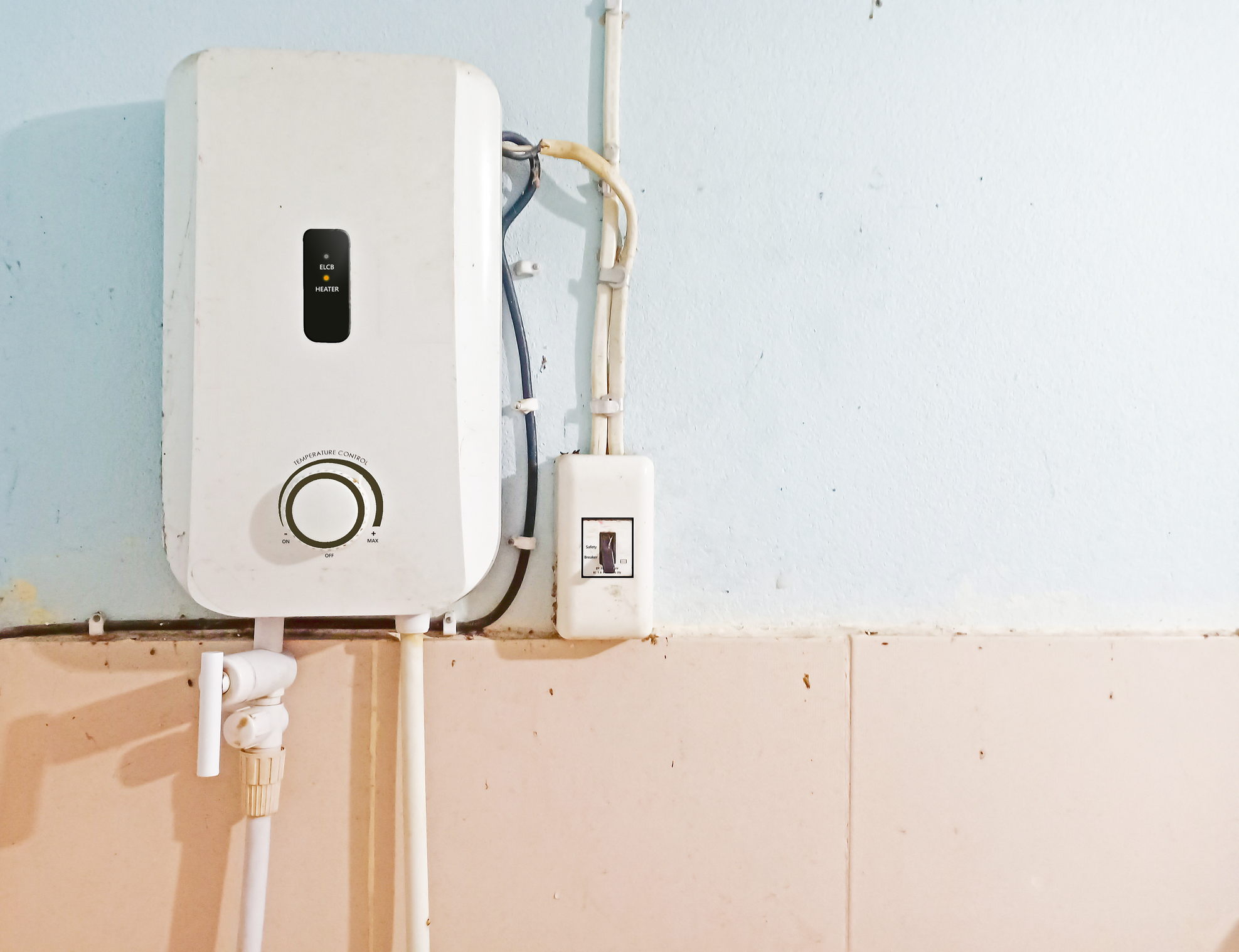
Most of us could probably go our entire lives not realizing the potential hazard posed by the hot water heaters in our homes. But a simple malfunction of the heater’s thermostat or temperature pressure safety relief valve could result in an explosion that could destroy your home.

Recently, a building in Wisconsin suffered minor damages when an electric water heater blew up. Nobody was injured, but the blast caused by a water heater explosion can be disastrous and even deadly. The water in a heater expands and creates pressure that’s kept in check by the safety devices. Without these, the temperature and pressure can build to the point of exploding.

To prevent this, have the temperature pressure safety relief valve tested annually. Also, look for these signs of malfunction: water that spits or sputters out of the faucets, excessive amounts of hot water, or a dripping temperature pressure safety relief valve.

Make Sure You Know Where Your Emergency Shutoff Valves are Located

Tuesday, June 9th, 2009

Emergency shutoff valves are our best tools in the prevention of home plumbing disaster, damage, and harm in our homes. So long before an emergency hits, you need to ensure your valves will perform in a crisis.

Make sure you know where the emergency shutoff valves are located for your gas, water, and electricity. For the water, look to the line between the water source and where water enters your home. With gas, the shutoff is usually located near the meter or gas source. Electricity can be shut off at the electrical panel. And don’t forget that every toilet, faucet, and gas appliance should have its own individual shutoff.

Working the valves is simple: just remember righty–tighty, lefty–loosey. Turn the valve to the right to shut it off and left to open it. And before a catastrophe, you must also ensure that each valve is in proper working order and turns smoothly.

Government Rebates for Home Heating Renovations

Friday, June 5th, 2009

Right now, there are numerous financial incentives being offered to help offset the cost of energy efficiency improvements in your home, and I want to let you know about a few of them.

If you buy a new, energy efficient washing machine, heating system, or hot water heater, you could be eligible for government rebates of anywhere from $100 – $600. And up until February 2010, the government is offering homeowners up to $1,350 through the federal home renovation tax credit.

Even local businesses like ClearView Plumbing & Heating are offering incentive programs, like our Home Heating Stimulus Package, which includes free financing, and no interest or payments for six months.

Whatever improvements or purchases you are planning for your home, there are always incentive rebates available. And remember, the biggest motivation to make energy efficient upgrades in your home are the cutbacks you will see in your monthly energy bills.

Do-It-Yourself Plumbing Fixes Can Escalate into Major Projects

Wednesday, June 3rd, 2009

Do–it–yourself projects involving basic maintenance or repairs are great money–savers, as long as you have the proper tools, quality materials, the right abilities, and a reliable set of instructions. But when your plumbing or electrical system is in need of significant restoration, it’s time to call in the professionals.

I recently heard a story (which prompted this discussion) about a woman who attempted to save money by installing her own new toilet. But the DIY project ended up costing her thousands in repair bills to fix a collapsed ceiling caused by the improperly installed and leaking toilet.

Plumbers are specifically trained to work with our plumbing systems, and they know and understand the plumbing and electrical codes that were designed to protect the public and our property. So next time you have major work to be done, save yourself the time, money, and trouble and hire a professional right away.

Preventing Home Disasters by Avoiding Common Causes

Monday, June 1st, 2009

Preventing home disasters can be simple. And to help you out, I’m going to quickly highlight some of the most important things you should pay attention to in your home.

When it comes to water, make sure it’s not leaking or causing other problems. Look for leaky faucets, wet spots, moisture, rust, stains, odors, and discoloration.

With gas, ensure there are no leaks (your meter should stop running when all gas devices are off), no combustible materials are close to flames or sparks, and that gas appliances have good air circulation around them.

As for electricity, circuits and fuses should match amperage ratings, plugs should match outlets, and light bulbs should match wattage recommendations.

Also, be smart with electrical cords. Keep them away from heat, don’t have them running across traffic pathways, play areas, or doorways, and don’t cover them with carpets or pinch them under furniture.