
Honey Just Call ClearView

starServing Calgary Since 1997star

Clearview

Call Now... Problem Solved!

403 407-1693

Archive for May, 2010

Preparing for Severe Storms

Friday, May 28th, 2010

No one likes to hear the weather forecast when it calls for bad weather and severe storms. Severe storms cause a sense of fearfulness and hopelessness in most of us, and we are left only with our prayers that the storm will pass without wreaking serious havoc and causing a lot of damage.

The impact of severe weather can be catastrophic, especially for those who do not the proper precautions beforehand. Preparing for severe storms means not only protecting the things that you own, but protecting the people that you love from harm as well.

The biggest danger with summer weather is thunderstorms that can generate deadly tornados, or, in milder storms, cause damage from hail, heavy rain, high winds, and lightning. In many areas of the country, severe storms are the rule rather than the exception. Knowledge is power when it comes to being ready for severe weather when it hits – and the following tips will help you to keep your home, family, and possessions secure no matter what the weather.

  • Lightning. Lighting is one of the biggest dangers of severe weather and thunderstorms. And even though you may feel like you are protected from lightning as long as you are tucked inside your home, which is not always the case. People are injured every year during lightning strikes when they are talking on a wired telephone or taking a bath or shower. Electricity can be carried through the wires of your home and into any phone that is plugged into a wall, and lightning can also travel through your home’s plumbing system. Both can have deadly results. Prevention is the key here; stay out of the tub and off any corded phones during a thunderstorm.
  • Electrical spikes caused by lightning during severe weather can also damage any electrical appliances, computers, and televisions that are not plugged into a surge protector. Surge protectors cost less than ten dollars and are easy to use – making them a wise investment. Consider a surge suppressor that works to cover the entire house.
  • Flooding. Flooding during severe thunderstorms can also be dangerous and damaging, causing death and destruction for those who are ill-prepared. While there is little that can be done to prevent flooding, you can better prepare for the possibility by investing in a sump pump for the basement that will begin pumping water out to limit damage from flooding. If your home does become flooded, be sure to shut the power off to the home at the main switch. Many people die from electrocution when they fail to do this.
  • Wind. High winds can be devastatingly deadly. Be sure to move to the basement of your home when high winds threaten, or if you don’t have a basement, go to the center of the home, preferably a bathroom or under a heavy piece of furniture. Stay away from windows that can shatter in high winds. Prepare the area outside of your home for high winds by tying down anything that might blow away, like trampolines or lawn furniture. And remember that it does not have to be a tornado to be deadly; some of the worst damage from thunderstorms comes by the way of “straight line winds” without any funnel action.

When the Storm Passes

After apparent perils have passed, there are still some issues of safety and comfort that you will need to be concerned with. If you have lost power, you will likely be wishing that you had the forethought to purchase a portable generator. If you live in an area of the country where there is frequent storm activity, a portable generator is a wise choice.

If you have lost power to your home during a storm, be sure to unplug all of your appliances that are not protected by a surge protector. This will protect them from damage when the power is turned back on.

Check that lightning, wind, or rising water has not caused damage to your utilities. Check in and around your home for fire.

Inspect your central air conditioning system to be certain that it has not become damaged from flying debris during the storm. If you suspect damage to the unit, it is best to have a qualified technician to check the system prior to turning it back on to avoid further damage.

Simple Tips on Saving Water at Home

Wednesday, May 26th, 2010

Water is a precious natural resource and come summer, there is a scarcity of water in most parts of the world. As a responsible individual, you can do your bit to save water and help the environment. Of course, the added perk will be the lower water bills. Here are some simple tips that will help you save water at your home:

  • Make a note of all the ways in which you can cut down excessive use of water. You can start by re-using water for cleaning purposes and watering your lawn.
  • The easiest way to save water is by not keeping the tap running while you shave or brush your teeth. The same holds good when you are washing your hands – turn off the tap when you lather and turn it on again later.
  • A lot of water is unnecessarily wasted when cleaning the dishes. Do them by filling up your sink with soap water and another with fresh water so that your water usage is limited.
  • Clean vegetables by placing them in a pan filled with water instead of washing them under the sink, where you will inevitably end up using more water than necessary.
  • Avoid using your washing machine on a daily basis. It would help you in the long run if you could purchase the latest models that save more than ten gallons of water for each load.
  • Save water in your garden. Don’t water plants incessantly; they can even die due to over-watering. One method you can adopt to conserve water in your garden is to punch holes in your lawn at distances of six inches from each other. This will ensure that when you water your lawn, the water will seep into the roots instead of trickling off the lawn surface. Also, give your pets a bath in areas of the lawn that need to be watered.
  • Don’t use large amounts of water to clean your car. Keep your car covered when not in use to prevent dust from accumulating on it.
  • Check your faucets and pipes for leaks and get them repaired or replaced immediately.

Air Conditioning Issues that Make Our Phone Ring

Monday, May 24th, 2010

Nothing is more frustrating than surprise repair bills, and the last thing that you want when the temperature is soaring is for your air conditioning system to break down. Even though all mechanical systems will be subject to require repairs occasionally, the truth of the matter is that many instances that require service can be prevented in the first place by having your system checked before the summer heat set in each year. The following money-traps represent that the top ten most common reasons for air conditioning service calls and how you can save big by avoiding them during spring maintenance of your unit.

Tripped Breaker

Ironically, many service calls where an individual complains that their air conditioning is not working takes just a flick of a switch to resolve – a tripped breaker. Be sure to reset your breaker before calling for service, and hopefully that will take care of the problem. If the breaker repeatedly kicks, however, you will want to find out what is causing it to trip. Sometimes it is a loose wire, a bad capacitor, or a bad breaker – and a repair person will need to make that determination.

Filter Needs Replacement

Many air conditioning units require a one-inch disposable filter that should be replaced once each month. Because the filter is “out of sight and out of mind”, it is very easy to forget this monthly maintenance task. Nonetheless, millions of service calls each year are due to restricted air flow that results from a dirty filter. Changing your filter once each month also improves the quality of your indoor air, makes your home feel more comfortable, and staves off frozen indoor coils that can end up costing you hundreds of dollars.

Leaks in Refrigerant

Your air conditioning system is what is known as a “sealed” system, and it should not leak refrigerant. A refrigerant leak can cause your air conditioner to operate less efficiently and your energy bills to soar. Leaks also cause the coils in the unit to freeze, your air conditioner to not cool properly, and the expensive compressor on the unit to become damaged. Refrigerants are greenhouse gases. Many times the problem is a simple one: a weakened connection between the refrigerant tubing and a fitting, or a bad Schrader valve.

Switch Turned Off

Many air conditioning repair men will scratch their heads and pat their wallets when called out to a home where the air conditioning unit won’t come on – only to find out that a safety or convenience switch has been inadvertently turned off. This switch is located at the indoor unit and looks much like a light switch. If your unit has this switch, be sure to check that it is flipped on before calling out the repair guy.

Problems with the Thermostat

Another frequent service call for air conditioning units that professionals see is simple thermostat problems. Oftentimes the switch that takes the air from heating to cooling may be in the incorrect position or may become broken, and when this happens, the air conditioner simply will not start up. The best thermostats are those that are digital, so if you must have one replaced, go for a high quality digital model.

Clogged Drain Lines

Air conditioners work by pulling moisture out of the air outside and lowering the temperature; this moisture is drained from the unit through your plumbing system. But like with any type of moisture, algae can grow in the drain lines. Clearing the drain during spring maintenance is essential.

Failed Contactor

The electromechanical switch in your unit known as a contactor may become damaged. This will be evident if you experience continuous running of your unit, despite the thermostat setting. The common pesky ant that ruins your outdoor picnics may be to blame; he is attracted to electricity and often becomes smashed between two contactors, keeping them from closing properly. Spring maintenance checks should include a check of your contactors for impending trouble.

Condenser Coil is Dirty

The condenser coil is also vital to the proper performance of your air conditioner. A dirt condenser coil can make the unit operate inefficiently and use more electricity while cooling at a less than optimal level. A spring maintenance schedule for your air conditioning unit should include a washing, cleaning, and combining of this coil.

Leaking Ducts

The job of your unit’s ducts is to deliver air to different areas of your home. If these ducts have a space leak, you’re actually paying to cool the outdoors. A check for leaking ducts should be performed once each spring, and any time that the air conditioner is mysteriously under-performing its capacity.

Simple maintenance to your air conditioning unit can go a long way towards keeping you cool and comfortable while keeping your energy bills more affordable.

Implement These Easy Changes to Beat the Heat This Summer

Saturday, May 22nd, 2010

When the temperatures soar, you feel helpless against the terrible heat. But there are simple ways to deal with the heat and keep your summer experience pleasant. All you have to do is to implement some simple solutions and you can you keep yourself sweat free.

For starters, make sure that your home is insulated well, as this will keep the heat out and make the surrounding air cooler. Keep doors and windows open during the late evening and in the night. Avoid keeping them open in the afternoons.

Summer is also a good time to notch up the cooling of your air-conditioner by getting it tuned to a higher cooling capacity. It is important that you clean the filters in your air conditioning system, as they get filled with dust and grime faster during summers.

If you do not have a ceiling fan, get one installed – it will provide a continuous flow of cool air. You can install fans in the room situated on the top floors of your house as these rooms will absorb more heat and become hot faster. Turn your bathroom fans on when you are having hot water showers to keep the atmosphere cool.

Remember to switch off your monitor, television or printer when they are not in use as they generate heat. Similarly, switch off the lights in the room that no one is using- you will save on your electricity bills and also prevent heat from being dissipated into the surroundings.

Try to cook with your grill and oven as much as possible. When you are cooking indoors, use your kitchen stove hood to direct all heat generated during cooking outside and switch on the exhaust fan to throw the hot air out.

Lastly, keep yourself cool and hydrated by drinking water and fresh fruit juices throughout the day.

How to Cool Off and Save Money This Summer

Thursday, May 20th, 2010

Summers for the most part mean a lot of fun, but the heat can sometimes get to you in the peak of the season. There are some simple and effective ways with which you can cool off and keep yourself comfortable. Here are some ideas:

  • Switch off the lights of the rooms that are not in use. If you keep them on, you are only wasting electricity and heat, and making your room warmer. You can even consider installing switches that turn off automatically when they detect that nobody has been in the room for the past couple of minutes.
  • Rooms situated on the top floor tend to heat up faster. Make sure you fix fans in your attic to keep it cooler. Also, try and stay in rooms on the ground floor as much as possible.
  • Wear cotton, light-colored clothes as they do not absorb too much heat and keep you comfortable throughout the day.
  • Turn off electronic devices when not in use, as they will give out heat, making the area even hotter. Also, remember to switch off your computer and television sets when you are done using them.
  • Try barbecuing on weekends – the idea is to try and cook outdoors as much as possible. A lot of heat is generated in your kitchen during the process of cooking. When cooking indoors, make sure you keep the exhaust fan on.
  • Get your air-conditioning tuned for optimum cooling.
  • Keep your thermostat above seventy eight degrees Fahrenheit and keep it even higher when you are away – you will save a lot of money on cooling costs.

Doing it Yourself?

Monday, May 17th, 2010

When to Call a Plumber or DIY

If you are like the average homeowner, then you know full well how to work a basic toilet plunger or pour a chemical drain cleaner down a clogged sink. But many times these tried-and-true techniques are not adequate enough to clear the drain, and it may remain clogged or become re-clogged. When this occurs, it is sometimes because some peculiar object has been flushed down the drain (where did little Billy put that toy car?) and is blocking the free passage of water. When this happens, more dramatic procedures are required to get your plumbing up and running again. So is it a do-it-yourself job or do you need to call out the big guns – the plumber?

Drain Cleaning

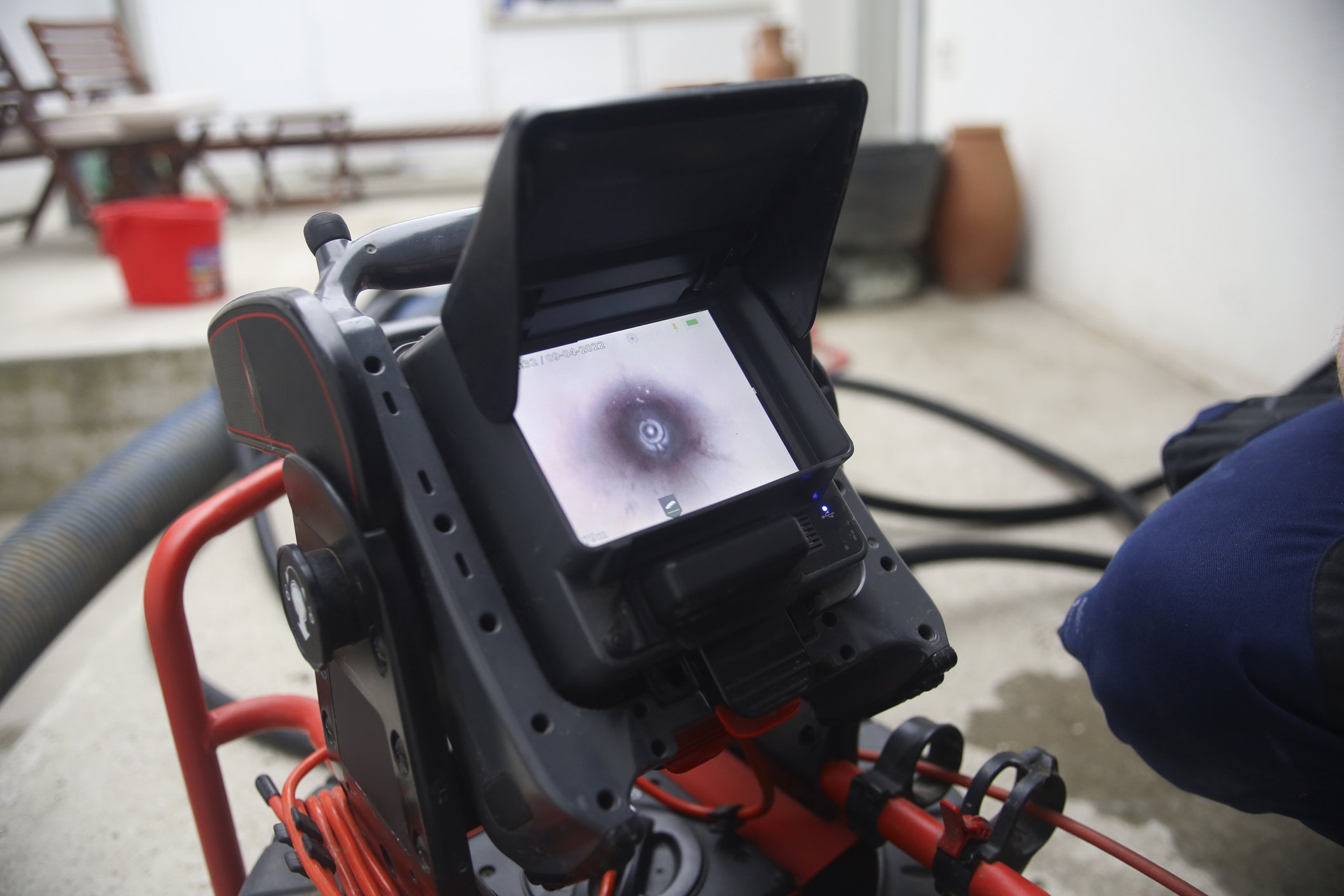
Liquid drain cleaner is very caustic and can take care of a plethora of nasty clogs, but if it doesn’t work, a physical drain cleaning may be the only thing that will get rid of the problem. A device called a plumber’s “snake” (available at most hardware stores for us non-plumbers) is sometimes fed down the pipe in an attempt to reach the obstruction. (It is worthy of noting that some ingenious and frugal housewives have created their own snakes with an unwound wire coat rack).With a clogged sink, cleaning the sink trap and using a plumber’s snake may be sufficient. One can also try to cover the overflow valve on the sink drain, which functions to build pressure and may help to burst through the clog. However, absent any success from this method, a power auger may be needed. In this case, calling up a professional plumber is almost a given as most folks do not have the basic plumbing knowledge that is required to operate this device while not inflicting further damage on their expensive plumbing systems. Keep in mind that pipes are not indestructible, and although the cost of calling out a plumber may give your wallet goose bumps, it is often the smartest and most cost-effective choice. When you call a plumber, be sure to give the plumber a specific description of what is wrong and perhaps even ask for an inspection of your home’s drain system as well so that you don’t need to call him out a second time if there is a larger “evil” at work in your drains.

Homespun Drain Maintenance

While the big chemical companies want you to keep buying their products to take care of simple clogs, the truth of the matter is that you can concoct your own homespun drain cleaning products at home, using products that cost less than a dollar. Boiling water and baking soda, or vinegar and baking soda are excellent drain cleaners. For bathtubs or sinks that are clogged with a known culprit – hair – cosmetic hair remover works wonders, literally eating away the hair clog and freeing your drain with less toxic ingredients that most drain cleaners. It really does pay, also, to use an enzyme culture monthly in your drains in order to keep them clog free and running smoothly; you can purchase a box of this product at any big retailer for less than five dollars. Whatever drain cleaner you do use, be careful not to mix them. They can violently react with one another, damaging your pipes or even worse, damaging your lungs if you breathe in the vapors!

ClearView Supports Calgary SCOPE Through Its Charity-of-the-Month Program

Wednesday, May 12th, 2010

For over 26 years, the Calgary SCOPE Society has been committed to improving the lives of people with disabilities.

Calgary SCOPE provides a wide range of high-quality, innovative services to support people with disabilities, with the goal of helping them become valued, contributing members of the community. Calgary SCOPE carries out its work through programs that connect staff with people with disabilities and their families and friends. The organization offers several programs, outlined below.

Outreach Team

A free family outreach program brings an outreach team to the home of adults and children with development disabilities who are struggling with behavioural, emotional, or social challenges. The outreach team supports 120 families and individuals at any given time.

Community Support for Adults

The Community Support program for adults offers long-term support to individuals who face tremendous difficulties as a result of a mental health or social problem. Their goal is to create safe and satisfying lives for these people in the community. This team supports 50 individuals with a developmental disability. Some are seen 5 hours a week, and some are supported 24/7.

Journeys – Seniors

A Journeys program for seniors provides workshops, community development activities and travel opportunities for seniors. The innovative day and residential programs help older adults live life on their own terms.

Community Development – All Ages and Abilities

Community development programs are also available for people of all ages and all abilities. The Community Development team specializes in educating and raising awareness about the issues facing people with disabilities. A variety of activities are included in the Community Development program: The Disability Action Hall, a collective of people with disabilities and their allies who make life better for disabled people in the community; men’s and women’s support groups; and the Picture This film festival which showcases international films about disability culture.

ClearView is very happy to make a $1,000 contribution to Calgary SCOPE’s innovative programs for people with disabilities.

Kick Your Old Water Heater to the Curb

Monday, May 10th, 2010

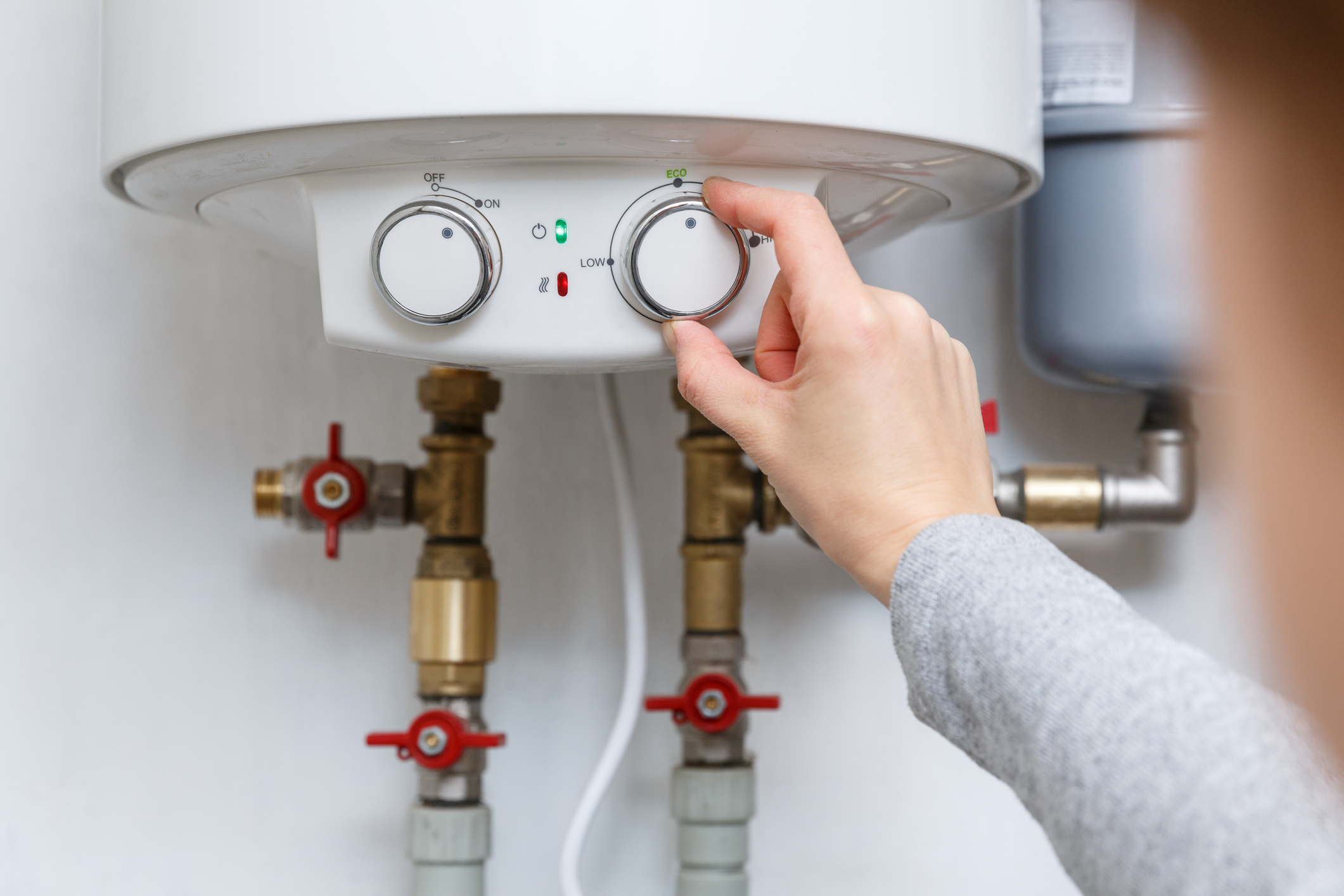
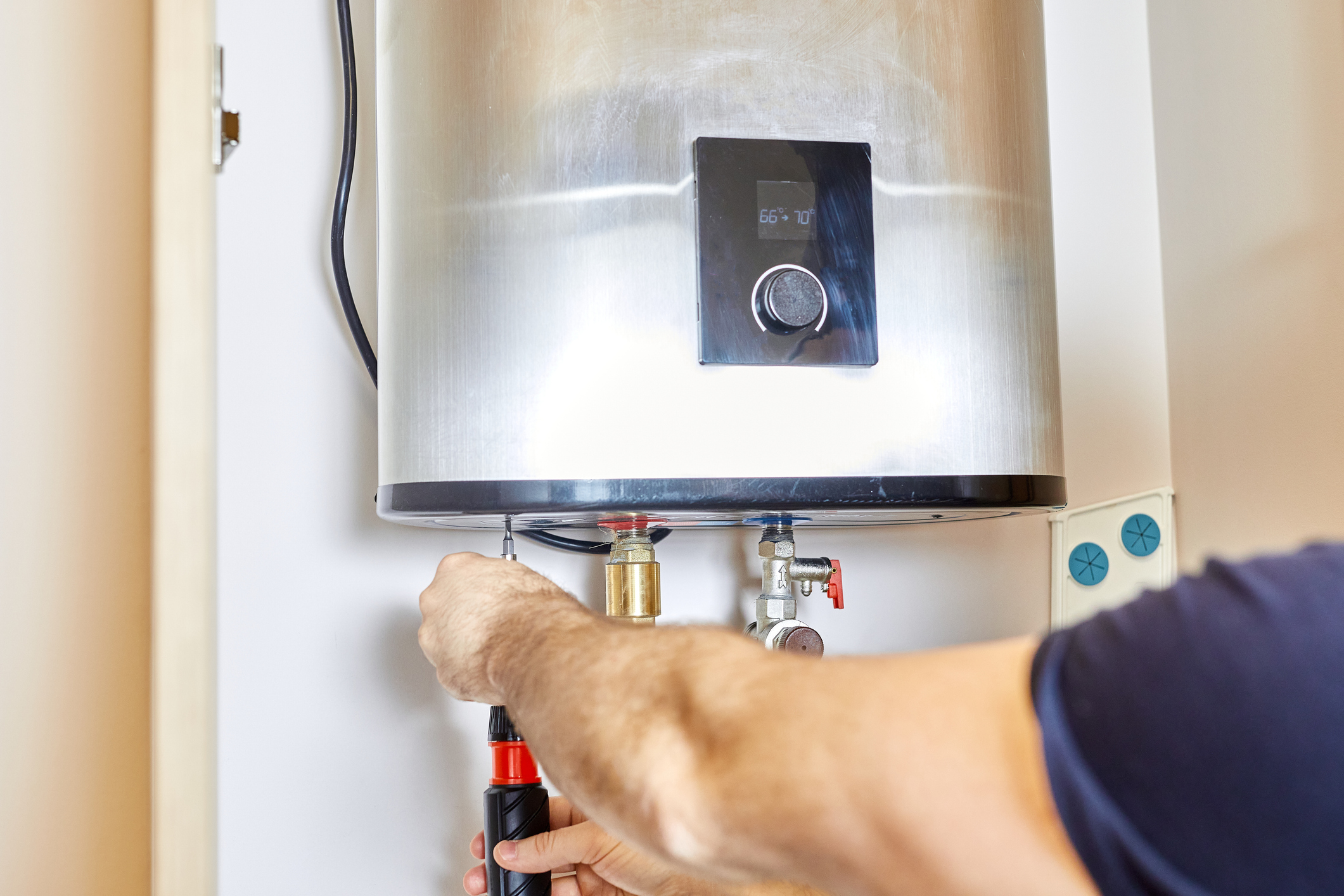
Tired of experiencing shower shock? Then join the growing number of homeowners who are kicking their old, tank-style water heaters to the curb and growing fond of new tankless hot water heater models. Traditional water heaters have had their day in court and been found guilty of wasting energy and being less functional than the sleeker, more environmentally-friendly tankless style water heater that heats water on demand and sustains that water at a constant temperature for even the longest of showers. With a traditional water heater, you pay to heat gallons and gallons of water, even when you are not at home and not using water. In fact, if you were to leave your home and stay gone for a month, your traditional water heater would still be hard at work, keeping your family’s water piping hot and ready for you whenever you decide to return – and all the while eating a hole in your wallet! But get in the shower and stay for a long time and you may be in for a cold surprise when the hot water runs out. Not so with a tankless hot water heater.

Tankless Water Heaters Heat Water Instantly

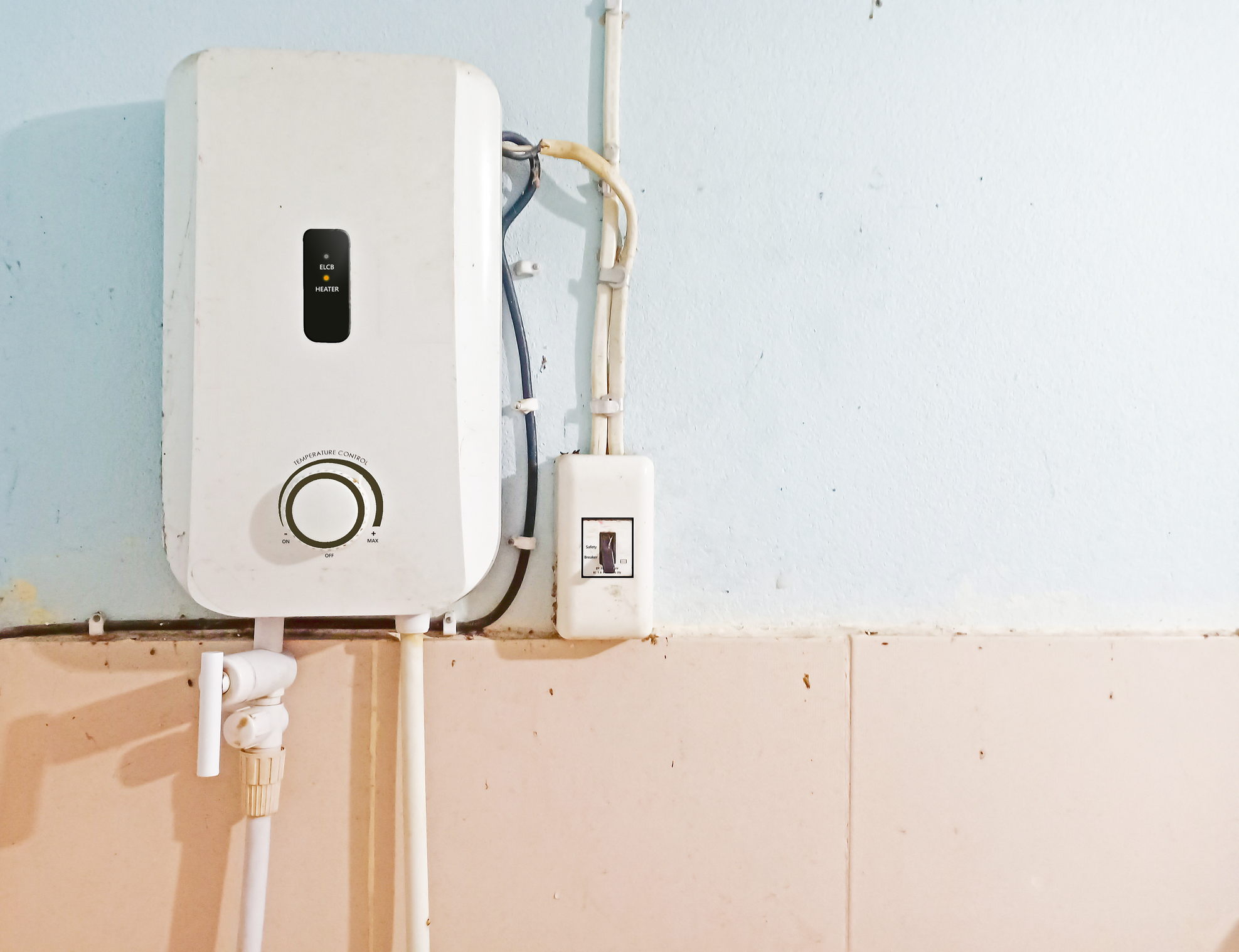
Tankless hot water heaters operate on a simple premise: you only need water to be heated when you need water! This ingenious design is revolutionizing the plumbing industry. The electric tankless hot water heater is typically a small unit that hangs on the side of the home and that is preset to a predetermined temperature. When you turn on the tap, a device inside the heater is activated by the water’s flow, which triggers it to be instantly heated. Thus, water is heated only as it is required. You never pay to heat water that is left on standby like you do with a traditional heater, which is expensive and requires constant heating and reheating, even if you are in the Bahamas. Because the electric tankless water heater (there are also gas models available) does not have to heat and reheat water, your energy bills will be reduced if you elect to install this type of water heater in your home. The tankless water heater works only when you need it to, saving you from twenty to an amazing fifty percent on your energy bills, eventually leading to the water heater paying for itself.

Other Benefits of Tankless Water Heaters

But the rewards do not stop there. The tankless water heater also saves space, unlike the bulky traditional water heater that takes up lots of room. The tankless heater is compact, small, and usually installed in an out of the way area. The tankless water heater may be the last water heater you will ever buy because most of them come with a lifetime warranty. The average traditional water heater lasts twenty years or less before becoming landfill fodder and requiring a replacement. There is no risk of springing a costly leak with a tankless heater as they do not have a storage tank that is susceptible to seeping. And since the tankless heater allows you to conserve both energy and water, they are a big weapon in the fight to save our planet for future generations.

So if you are tired of paying a high energy bill every month or relighting the pilot light on your traditional gas water heater, or if you have grown weary of shower shock when your traditional water heater runs out of hot water, then the tankless water heater is the perfect solution for you.

Easy Ways to Go Green with Plumbing

Friday, May 7th, 2010

There are very few aspects of your home that have such a high potential for going green than your home plumbing. Going green with your plumbing can cut your home energy bills, make your home healthier, and do wonders for the environment. There is a lot of information out there for homeowners who are looking to utilize more eco-friendly plumbing choices, and wading through them all can be present a bit of a challenge. Let’s take a look at the easy ways that you can go green with your plumbing.

Cost of Green Plumbing

First things first; let’s get one thing out of the way. Many homeowners are instantly turned off by the thought of green plumbing, not because they want to continue to do injustice to our fragile planet, but because they are worried about the costs of green upgrades. But the truth is that you will not spend a great deal more with green plumbing options than you would with traditional plumbing. And if the costs of going green are a bit steeper initially, you can consider the added cost as an investment in reducing the cost of energy and the amount of water that you use in your home. This means that an investment in green plumbing now is one that you can reap the rewards from for years into the future. Decreasing your monthly energy costs is, however, is just the tip of a very large iceberg. The real value is one that goes beyond dollars and cents. Green means passing a healthier planet on to your kids and grandchildren, and that’s not an easy thing to put a dollar figure on.

Reduce Home Energy Costs and Usage

To start saving some real green (cash) while you allow Mother Nature to breathe a bit easier, the following easy fixes stack up quite nicely:

  • Insulate your plumbing pipes. This is a very small step that can make a big impact on your carbon footprint. Pipes that are not insulated can allow water to lose heat as it travels from the water heater to your faucet, thus raising the amount of energy that you use.
  • Install a new hot water heater. A tank-free, on-demand water heater is the wave of the future. Hot water heating amounts to around 1/5th of your home energy costs and usage. If you replace your old tank-style heater with a tank-free model, you can cut your energy bills and have the added benefit of never running out of hot water as this water heater heats water instantly, as needed. And because water is hot from the minute you turn the tap, you will avoid running the cold water out of the pipes to get to the hot water, hence saving water as well.
  • Filter your water, don’t buy it bottled. You can easily install a filter faucet in the kitchen to get bottled water taste straight from the tap and eliminate the need for purchasing bottled water. Water bottles and other plastic bottles can take millennia to degrade in a landfill; each one you keep out of the trash is one more bottle that won’t be laying there decomposing in overburdened landfills around the country.
  • Replace old toilets, showers, and faucets with low-flow and low-flush models. A low flow shower or faucet can reduce the amount of water used in your home by an astounding sixty percent. A low-flush toilet can reduce the normal twenty-eight gallons of water flushed per person per day by two to five times less.

These easy changes can really make a difference in your energy bills and energy usage. But remember not to overwhelm yourself by trying to go green all at once. Each small step that you make towards a greener existence is a step in the right direction; plumbing is a good place to start!