
Honey Just Call ClearView

starServing Calgary Since 1997star

Clearview

Call Now... Problem Solved!

403 407-1693

Archive for September, 2010

Is it Time to Replace Your Hot Water Heater?

Wednesday, September 29th, 2010

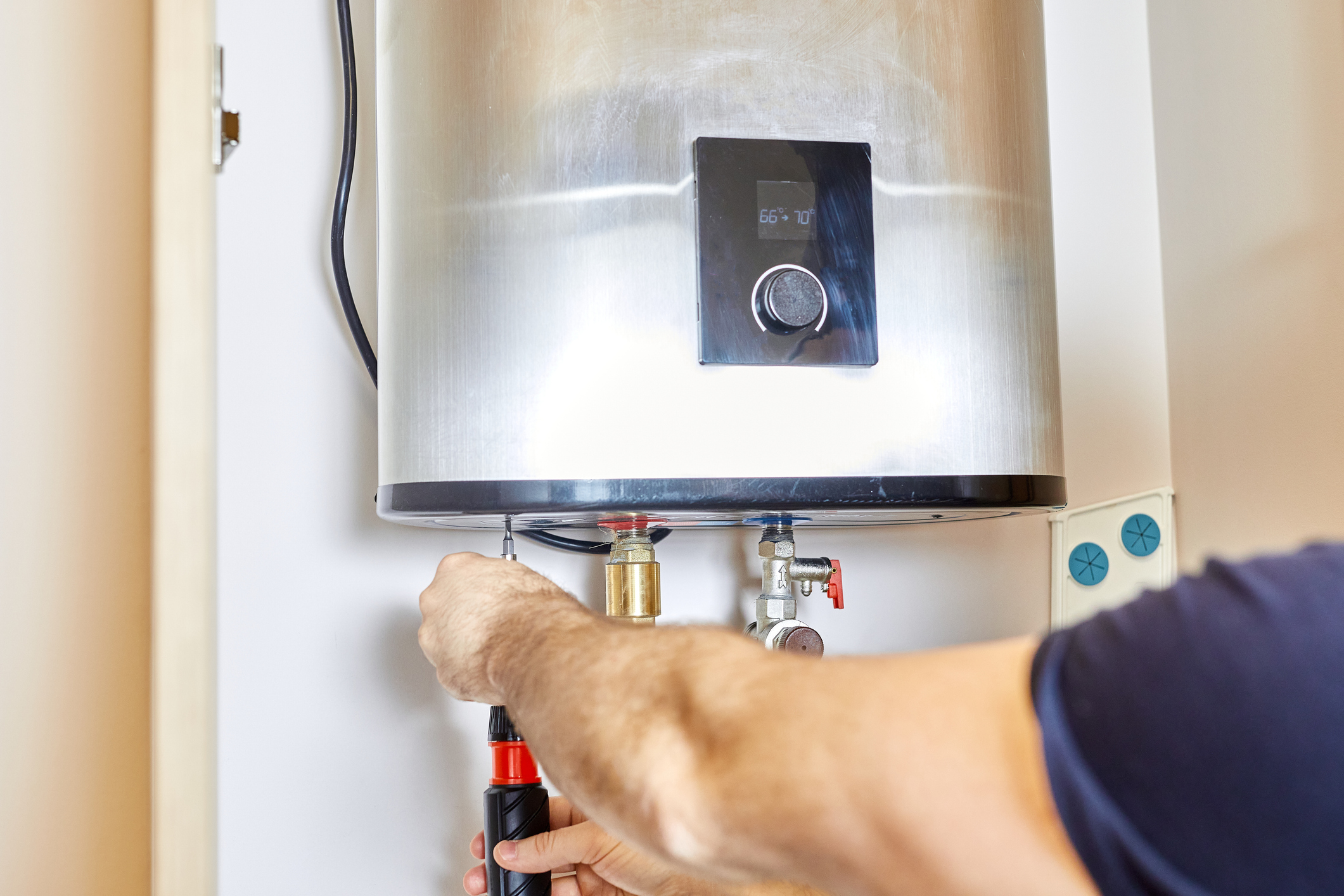
The common tank-style water heater typically lasts around a decade, but can last longer or die out more quickly. In fact, if you have maintained your hot water heater according to the manufacturer’s instructions, it may last twice as long. Nonetheless, it is not uncommon to hear of a water heater failing after just a couple of years in use. The tankless water heater is built to last for a considerably longer time. Some models of tankless water heaters come with a lifetime warranty. If you’re looking to replace your old water heater and don’t have an incredibly large demand for hot water, the tankless water heater may be your best option.

Water Heater Repairs

The water heater can fall into a state of disrepair for various reasons. Thermostats can fail to function properly or even fail completely. Sediment can form at the bottom of the water tank and cause a “popping” sound upon ignition of the burners in the unit. A fractured dip tube can mix the incoming cold water with the outgoing hot water. Thermal expansion can cause burst pipes and dangerous pressure levels. These and other water heater problems can result in excessively hot water, the loss of hot water, or damage to your plumbing system.

And while the repair of water heaters is a job that is best left to a professional plumber, a homeowner should take an active role when it comes to determining if that water heater in the home should be repaired or replaced. This is accomplished by asking the repairman about the cost of repairs versus the cost of replacement, and then weighing that figure against the estimate of how much time the current repairs that must be done are expected to last. Sometimes it is best to replace the entire heater altogether rather than keep repairing the old one, while it may be prudent for you to repair a system that has only a minor problem.

Water Heater Replacement

If you determine that replacing your hot water heater is the best idea, then you have several considerations that must be made. You will need to decide if you want to replace your water heater with a tankless water heater system or go with a traditional tank-style heater. The tankless water heater will last longer than traditional heaters, and they will provide a continuous supply of hot water that is heated as you need it. This will save you money on energy costs, as the traditional tank-style heater requires that you heat a large number of gallons of water continuously, even when there is no demand for water within the home. Tankless heaters heat water instantly on demand, which means that you’ll never run out of hot water again. Tankless heaters are sometimes cheaper than tank-style heaters, depending on the heater’s size.

You should also consider the efficiency rating of the water heater that you purchase if you go with a replacement heater. Energy efficiency is measured as a percent of heat that is used, based on using 64 gallons of hot water per day. The measurement is then expressed as the EF or energy factor. Tankless water heaters may run as efficiently as .98 or .95 while new tank-style heaters may have an EF of .63. Older heaters, obviously, may have an even lower EF. Keep in mind, however, the energy efficiency is just one measure of a water heater’s performance, and that it does not take into consideration the cost of the different fuels used or the total effect of the unit on your energy costs or the environment.

Guide to Clearing a Clogged Drain

Monday, September 27th, 2010

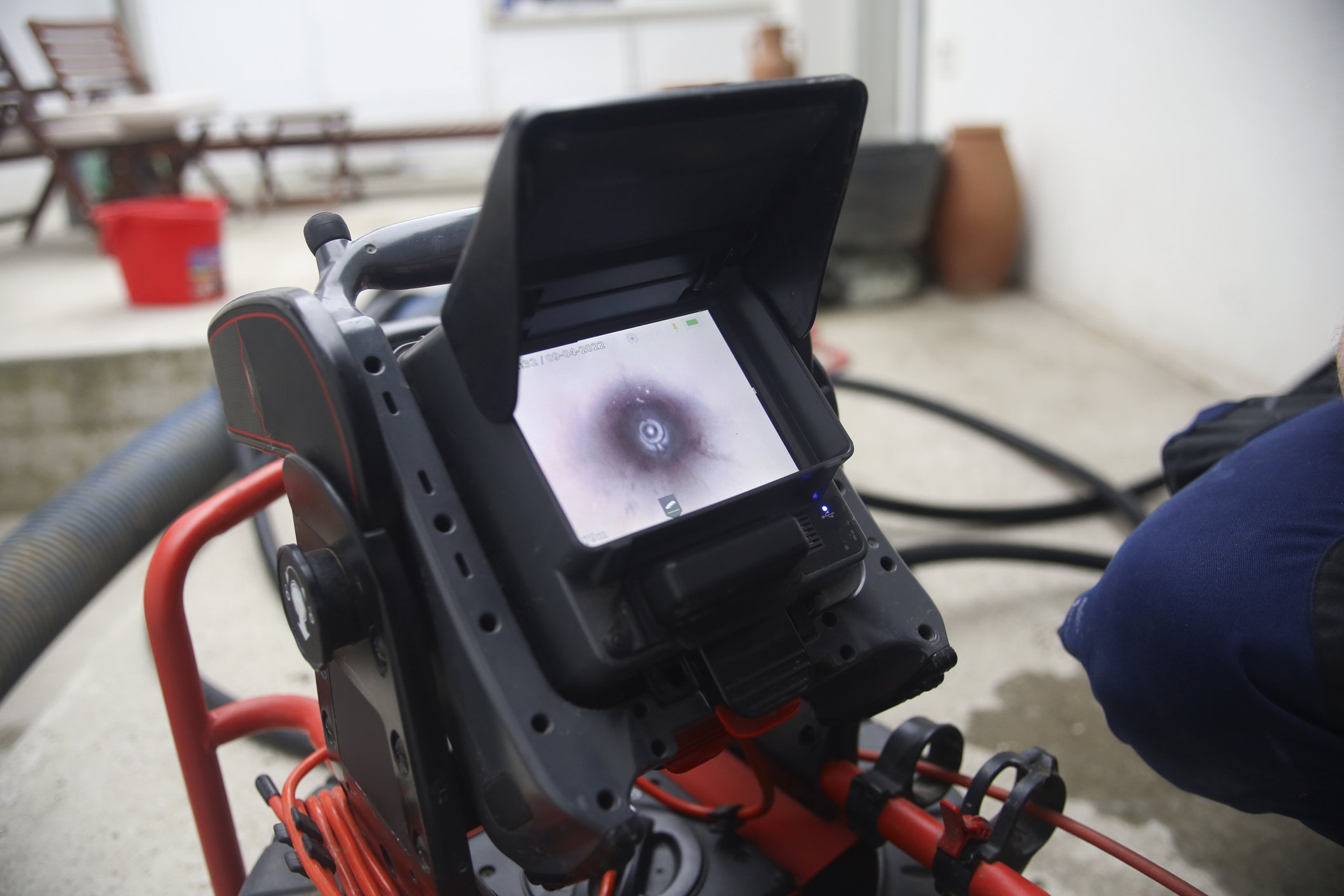
Your home’s plumbing system is a key part of the home that must be maintained in order to get the most enjoyment from being a homeowner. One of the most common problems that homeowners face when it comes to their plumbing is a clogged drain. Most of the time, the average homeowner (even those with little DIY sense) can clear the clog with little trouble.

An early warning sign of a clogged drain is a drain that is “slow” or that makes a gurgling noise when draining. This includes the drains in your sinks and the drain in your shower or tub. You might also realize you have a problem when you are doing laundry and see water (or even suds) coming up through the drain in your bathtub or shower; this is often a sign that the drain is clogged in a main line. Don’t ignore these signs, as a clogged drain can lead to a more serious problem later on. Even if your drain does not show signs of being clogged, periodically cleaning is a good idea so that you can prevent problems in the future. Simply flushing the drain weekly with baking soda and hot water is enough to keep most drains clear and in optimal working order.

Causes of Drain Clogging

Oil, heavy paper, hair, and mineral scale buildup that is associated with “hard” water are all culprits of clogged drains. But tiny objects dropped inadvertently in the drain can also be behind the clog. In the kitchen, if you don’t get rid of grease completely from pots and pans before washing the dishes or loading the dishwasher, grease can get into the pipes and build up on them, making it harder for water to drain through. This is the same problem that is experienced with mineral deposits that form in pipes when you have hard water.

Treating a Clog

There are various treatments for removing a clog and restoring your drain and pipes to working order, including:

  • Using a plunger. The plunger should be your first weapon in the war on clogged drains. Oftentimes a few plunges into the affected drain are all that is needed. The plunger forces air into the drain which sometimes is sufficient to get the drain moving again.
  • Homespun treatments. If the plunger doesn’t work, you can move on to homespun remedies. Baking soda, followed by boiling hot water and then vinegar can often remove a minor clog; pour these down the drain one at a time and you may find the clog is loosened and moves on out of your pipes.
  • Commercial drain cleaners. Commercial drain cleaners are your next best bet to remove a clog. Beware, however, that frequent use of commercial chemical drain cleaners can corrode certain types of pipes. The commercial drain cleaner usually works by melting away the obstruction, whether it is hair or a toy that is causing the problem. Always following manufacturer’s instructions when using commercial drain cleaners, and only use in a well-ventilated area. Store any unused chemicals far away from children; drain cleaners are highly toxic and can be lethal if ingested.
  • Plumber’s snake or auger. The plumber’s snake or auger can be used to manually dislodge the clog. You can purchase an auger at any big box retailer, and they are simple to operate.

If these DIY remedies fail to take care of the problem, you may need to call in a professional plumber.

Maintaining Your Expensive Air Conditioning Unit

Friday, September 24th, 2010

In the sweltering heat of the summer, nothing is more disconcerting or disappointing than having your air conditioning unit go on the “fritz”. That’s why air conditioner maintenance is of the utmost importance. In fact, the maintenance of your air conditioner will increase the likelihood that your air conditioning unit will run without problems throughout the hottest months of the year, and that any repair that is needed will be accompanied by an affordable price tag. And perhaps most importantly, maintenance will help your unit to operate at peak efficiency so that you can stay cool and comfortable without spending too much on energy.

Many people are perplexed when it comes to home maintenance of their air conditioning units. The best schedule for maintaining your cooling system begins in the spring, long before the heat of the summer sets in. The following tips will help you to make sure that your system is up to par and ready for the mercury to rise.

  • Outdoor condensing unit. When doing your spring maintenance for your air conditioning system, make certain that the outdoor condensing unit is not blocked by weeds, grass, or any type of lawn ornament. The unit must be able to draw air into it in order to cool the air and circulate it inside. If the process is hindered by anything, it will not pull sufficient air in, and it won’t operate efficiently. If you cover your condenser during the winter (which is, by the way, not necessary, as the unit is designed to be outside in the elements), be sure to uncover it each spring.
  • Test your system. Early in the spring, turn your air conditioner on and allow it to operate for about an hour or so. If you detect any problems, it will still be early enough to get a HVAC technician out without a long wait. If you delay turning the system on until it is hot outside, you will end up waiting awhile in most areas for an overworked tech.
  • Change your air filter. A dirty filter is a top culprit of energy inefficiency, and it can also cause your evaporator to “freeze up” or “ice over”. For those people who are destined to always forget to change the filter, consider buying a permanent filter that needs to be cleaned once each year. In general, your air conditioner filter should be changed monthly or more, especially during periods of heavy usage. If your filter is dirty, change it, even if you just changed it a couple of weeks ago. Be sure to also clean the grille that covers the fan unit inside your home.
  • Set the thermostat. Be certain that you set your thermostat in the cooling mode and keep in mind that simply setting the temperature to below the room temperature will not cause the AC to kick on if it is not in cooling mode. Consider installing a programmable thermostat that will cool your home during specific periods of the day that you select, while allowing you to conserve energy when you are not at home. This can be a big money saver.
  • Beware of your limitations. While cleaning or replacing the air conditioner filter and keeping up with air conditioner maintenance will help your unit to run more efficiently, be sure to know your limitations. If you come across a problem with your air conditioning unit that you cannot handle on your own, it is always best to consult a professional.

Go Green with a Tankless Water Heater

Wednesday, September 22nd, 2010

Picture it. You’re lathered up in the shower, conditioner in your hair, ready to begin your morning when all of a sudden the hot water is hot no more, but icy, cold water is being piped unmercifully through instead. What a wakeup call! We’ve all experienced shower shock at one time or another. Or perhaps you turn on the hot water to wash your hands and find that the water is scalding hot. Both of these instances can happen when you have a traditional tank-style water heater in your home – and most homes have them. A tankless water heater, however, is a better approach to heating water for the home. And they are becoming more and more popular, not just because they eliminate shower shock, but because they are inexpensive to operate and can pay for themselves by way of reduced energy bills.

How They Work

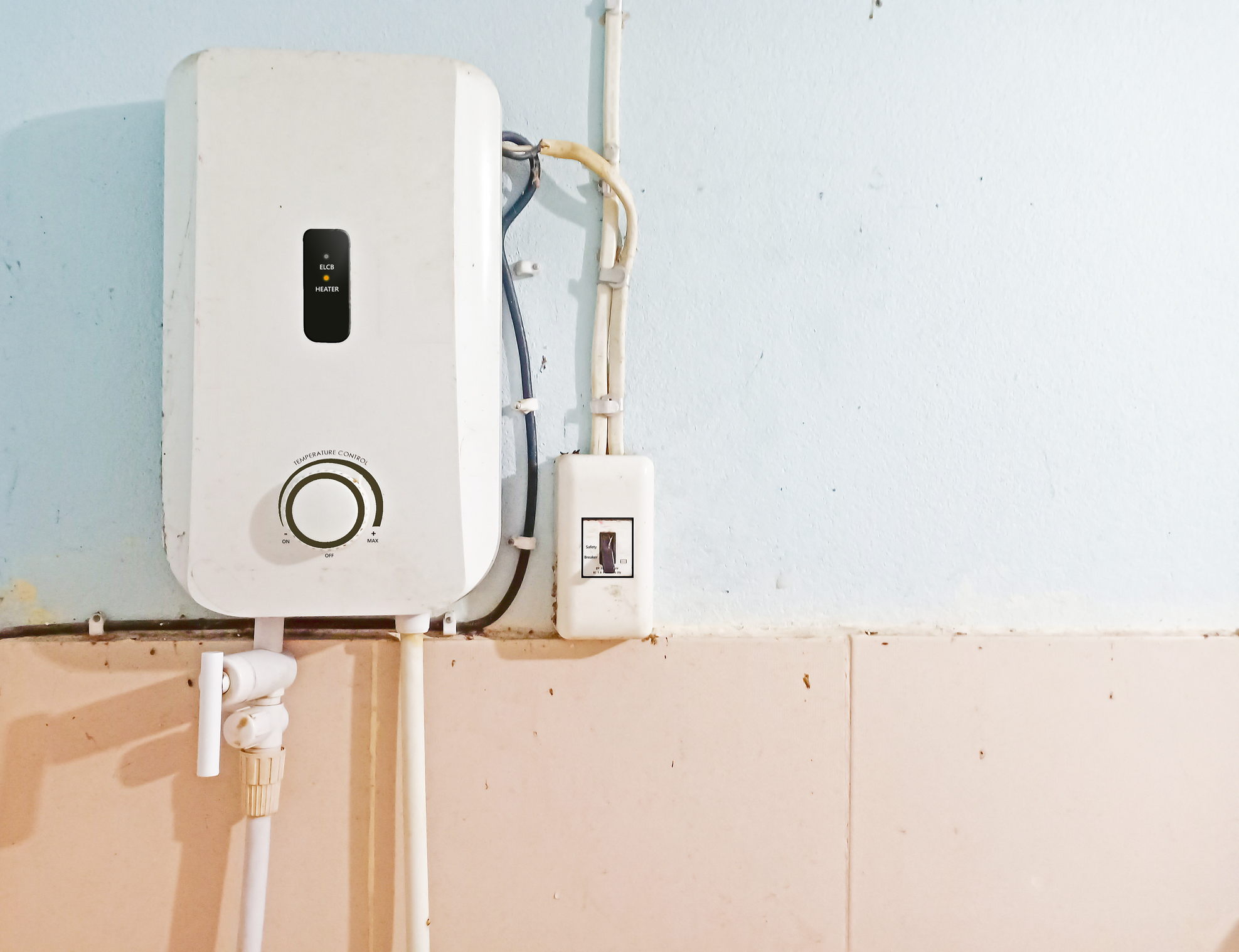
A tankless water heater is a very small unit that is usually hung on the side of the home and that is preset to a specific temperature. When you turn the water on in your home, a special device in the tankless water heater is activated by the flowing water, and the heater is then triggered to flash heat the water. The tankless water heater heats water only as it is being used. This eliminates keeping dozens of gallons of water hot and on the ready, which means that you’re not going to be paying to keep water hot while you’re not even home or when you’re not using water. Tank-style water heaters are expensive to operate because the water is kept at a specific temperature continuously, whether you’re at home or vacationing thousands of miles away. That’s wasted money.

An Efficient Water Heater and a Fatter Wallet

Because the tankless water heater does not need to consistently and continually reheat the water that you use, the amount of energy that it expends is nominal. The traditional tank-style water heater must cycle on and off, even if you’re not at home, and keeping water hot can use up a lot of energy. The tankless water heater only works when hot water is demanded at the tap. And since the traditional tank-style heater must constantly warm water up throughout the day, the water can sometimes become overheated in the tank’s effort to avoid running out of water. This is why the temperature of the water coming from a tank-style heater is not consistent, and why you sometimes experience water that is simply too hot coming out of the faucet. And because the tank-style heater can only heat a particular amount of water at one time, you are prone to shower shock when the hot water runs out before you’re finished showering or bathing. With a tankless water heater, hot water is limitless because it is heated on demand.

There are many reasons to choose a tankless water heater. The tankless hot water heater can save you as much as fifty percent when it comes time to pay your energy bills each month. It is energy-efficient and takes up very little room, unlike the bulky tank-style water heater. Most tankless heaters come with a lifetime warranty, whereas tank-style heaters usually last for around ten years. And because you are not storing a large quantity of water, the tankless heater has no leaks to worry with. Finally, the cost of purchasing and installing a tankless water heater in your home may be offset in some areas of the country by local, state, or federal tax cuts and rebates due to its eco-friendliness. Tankless water heaters are available in both electric and gas models. For these reasons and more, the tankless water heater is a growing choice that is destined to become even more popular in the future.

Is It Time for Your Home’s Annual Plumbing Checkup?

Monday, September 20th, 2010

Repairs to your home’s plumbing system can really take a big bite out of your budget. Every homeowner must take steps to ensure that their plumbing system is in working order so that they can stave off costly repairs. Nothing is more frustrating than a backed up sewer line, leaking pipe, or low water pressure. But detecting a problem with your home’s plumbing early on can save you a lot of money as opposed to waiting until an all-out disaster occurs, like a backed up sewage line that has flooded your entire basement. To keep the plumbing in your home up to par and running efficiently and smoothly, you should perform an annual plumbing checkup.

Visual Inspection

When doing your annual plumbing checkup, you should perform a visual inspection of your plumbing fixtures, including the kitchen and bathroom sinks, toilet, washer, shower and shower valves, and so on. Make certain that everything is aligned properly and that there is no visible moisture or rusting. Fixtures should be appropriately caulked and any exposed pipes should not be leaking. Connections on the fixtures should be secure and tight, and there should not be any rust or corrosion around them. The toilet should flush correctly and it should not keep running once the tank is refilled. If your toilet is still running after five minutes, this is a strong indicator that there is a slow leak in the toilet. Check the plumbing where the pipes come into your basement, and the rest of the house, including sewer pipes and water pipes. Look for cracks, leaks, drips, and odors. If you smell a foul odor, this indicates a problem with the septic or sewage system.

Water Pressure and Drains Check

It is also important to check your plumbing system’s water pressure. You can purchase a water pressure gauge for this purpose. Your water pressure should be around 30 psi (pounds per square inch). If you find that you are experiencing glow water pressure, possible causes include aerator problems, dirty shower heads or dirty faucets, a clog in the water line, or built-up sediment within the water lines from mineral deposits and so on. At the same time, check to see that all of your drains are draining appropriately; if your drains are bubbling, then you may have a serious clog and may need to call out a professional plumber. If your drains are backed up, you can always try liquid drain cleaner first. For particularly stubborn clogs, a product known as Liquid Fire can be used on the drain (check plumbing codes and manufacturer’s directions on the package prior to use) that will literally melt away whatever it is that is clogging the drain. This product is not safe for all pipes, however, so always read the complete package directions.

Check Water Heater

During your plumbing inspection, be sure to check your hot water heater. A plumber often drains the hot water heater to look for sediment on the bottom of the heater that can cause the heating elements to stop working in electric heaters, or that can damage the burner chamber in gas heaters. The flame on the gas heater should be blue; yellow flames signify that the jets are in need of cleaning or can indicate that air is mixing with gas. For this type of problem, a professional plumber will need to be called out.
Your fragile and complex plumbing system has a greater chance of being free of problems if you perform an annual plumbing checkup. If you detect a problem, working with a professional plumber who has the skills, expertise, and equipment to handle the situation can save you tons of cash on down the road and will allow your plumbing system to work at its optimal level.

Water Pressure Troubleshooting Guide

Friday, September 17th, 2010

Low water pressure can be a true annoyance, especially when you’re in a hurry to take a shower and get out the door, or when you’re tired and just want to get the dishes washed and rinsed and out of the way. Many homeowners are living with low water pressure and other water problems, but many of them don’t know that there are ways to fix them or even prevent them from occurring in the first place.

“City Water” with Low Pressure

Most folks have what is known as “city water” or water that comes from their local water company. Underground, in the main lines, the water pressure of municipal water is extremely high. Because of friction, the water loses a significant amount of pressure between the main water line and your home’s water lines. And then it loses even more pressure between the spot where it enters your home and the faucet where it comes out into your sink or tub. As a rule, the smaller the pipes that the water has to move through, the more friction you can expect. If you are experiencing low water pressure when the water reaches your faucet, it usually means that there is too much friction somewhere between the main line and your faucet.

Often, excess friction is caused by pipes that are too small. Half-inch pipes create more friction than three-quarter-inch pipes or pipes that are an inch in diameter. If your plumbing system if made up of half-inch pipes, replacing the ones that can be easily accessed with larger pipes can make a big difference in your water pressure, and paying a plumber to come in and replace all of the pipes with larger pipes will make a huge difference. People who are in the process of building a new construction should always go for the extra expense of larger pipes in order to avoid low water pressure problems.

“Well Water” with Low Pressure

Homes where the water supply comes from a well as opposed to a municipal water source use a water pressure tank to regulate pressure. These homes can have many of the same problems that are experienced with “city” water, but can also have unique problems, also, such as the tank being too small to provide adequate pressure when water is being used in more than one part of the home. Low water pressure can also be caused by a leak. If you have well water and the pressure is low, you may need to call out a plumber to check for leaks and to determine if the tank is the right capacity for your usage needs.

Obstructions

And finally, low water pressure is sometimes caused by chemical or mineral buildup within the pipe, or by other obstructions. Often, water will leave calcium or other mineral deposits as it makes its way through your pipes. Over time, these deposits can stick to the pipes inside, reducing the clearance that the water has to flow through. You can easily see the buildup inside the pipe if you are experiencing this problem, so simply examining a section of pipe should be sufficient to determine if mineral deposits are causing your low water pressure. There are special chemicals that can be used to break down this mineral buildup and then flush it on out into your sewer. If your water pressure has been historically good and then suddenly becomes too low, it is possible that the issue may be outside of your home with the main water line. In this instance, the water company should be contacted to resolve the problem.

Importance of HVAC Filter Maintenance

Wednesday, September 15th, 2010

The furnace filter is a hardworking part of your HVAC system, screening out unwanted debris and pollens from your system and increasing the system’s efficiency and output. By replacing the furnace filter often, your indoor air will be healthy and clean as the filter works to screen away allergens and bacteria that can make you sick or exacerbate symptoms in asthma. In addition, the replacement of your filter on a regular basement will keep your expensive HVAC system running like it should, prolonging its life, and reducing the cost of keeping your home comfortable in both the warm and cold months of the year.

It is important to inspect your furnace filter monthly, particularly during the seasons when you are operating your system more heavily than normally, such as during periods of intense heat or cold. An inspection can reveal if your furnace filter needs to be cleaned or replaced. If your furnace filter is not properly monitored for cleaning or replacement, your HVAC system will have to work harder than it needs to, which reduces its overall performance and increases your energy bills.

Furnace Filter Types

There are two types of furnace filters – disposable filters with cardboard frames or permanent filters with metal or fiberglass frames. The disposable filter is inexpensive but requires monthly replacement (or more often during periods of heavy HVAC system usage). Permanent filters lost for a long time and rarely require replacement. Permanent filters must be routinely cleaned, however. All furnace filters, including disposable and permanent types, are rated with a MERV rating. MERV stands for minimum efficiency report value. This rating is based on the filter’s ability to trap particulate matter and is a useful tool when evaluating filters based on performance. The higher the filter’s MERV rating, the more particulate matter, dust, debris, and allergens it will capture from the air – and the better the filter will work to keep these things out of your expensive HVAC system. Filters can be further broken down into various subtypes. Most filters are mechanical filters that work by trapping unwanted material in manmade or natural mesh netting. Most disposable filters are mechanical. The electrostatic filter is made from polyester strands that become charged electrically when air flows through them, and this static attracts pollen, dust, and other matter and traps it. Most permanent filters are electrostatic filters. There are also HEPA filters available in both disposable and permanent types. HEPA or high efficiency particle absorber does not have a MERV rating because it exceeds the ratings system’s specifications and provides the ultimate in indoor air quality for the home when utilized.

How to Clean or Replace a Furnace Filter

The first step to cleaning or replacing the furnace filter is to turn the system off and then locate your service panel. This is typically a panel that can be removed by hand, although some systems may require that you use a screwdriver to remove the panel. Locate the furnace filter inside the service panel. It will usually be near the intake/outtake fan or blower. Check the dust level of the filter. Can you see through the filter? If your furnace uses a reusable model, you can simply rinse the dust away in the sink or out in the driveway using a garden hose; allow it to dry and then reinstall it. If your furnace uses disposable furnace filters, make a note of the size that the unit requires and then throw the dirty filter away. Purchase and replace the filter and then turn the system back on.

Green Plumbing Choice: Dual Flush Toilet

Monday, September 13th, 2010

More and more homeowners are going for the dual flush toilet when they are looking to make “green”, environmentally-friendly upgrades to the modern home. The dual flush toilet, as the name suggests, gives you the option of choosing from two different flushing modes, depending on what type of “material” you are trying to flush. Simply put, it takes much less water to flush away liquids than it does solids, so it makes sense to use a low-volume flush sometimes and a high-volume flush at other times. Dual flush toilets will cut the usage of water for toileting purposes which not only saves money on the water bill, but cuts down on the use of a precious natural resource as well.

Dual Flush Toilets – Required in Some Places!

Although one might not consider that the dual flush toilet can actually save a significant amount of water to make the installation of one a wise investment, the truth is that studies of this type of toilet have shown that the dual flush toilet can reduce the use of water for toileting by as much as sixty-seven percent in some households. In fact, because there is such a high level of water conservation to be reaped through the installation of the dual flush toilet, the country of Australia (which is in an ongoing draught situation) has passed legislation that required that all new toilets installed within the country are dual flush. There are also some drought-stricken areas of the U.S. where similar statutes have been passed in order to conserve water. Although the dual flush toilet has not been on the market that long (a little over ten years), they are destined to become more and more prevalent as the world’s becomes more environmentally-conscious of their consumption of natural resources.

Stylish Options

Other than the water saving capacity of the dual flush toilet, another big advantage to installing this type of toilet is that they are designed with innovation in mind, and they are available in many attractive models. This is a relatively new product to today’s market, and the market is thus very competitive with companies competing to make their models as visually pleasing, comfortable, and easy to use as possible to attract customers. Newest models of the dual flush toilets feature two buttons (one for low volume and one for high volume flushing) which is a bit of an upgrade over the styles that come with a push or pull handle.

The one big disadvantage to the dual flush toilet is the more advanced requirements for installation that are usually not within the realm of the average do-it-yourself homeowner. Most homeowners will need to call out a professional plumber to ensure that the toilet is properly installed, which can add to the cost of installation. There are, however, many guides available online, and each dual flush toilet will be packaged with installation instructions. Regardless of the added cost for professional installation, the dual flush toilet is a great option for areas of the country where there are chronic water shortages and for anyone who wants to make a difference in the condition of the planet by making wise use of its resources.

Great Ways to Heat Your Home While Remaining Environmentally Friendly

Friday, September 10th, 2010

If you are looking to save money and give the planet a break by consuming less energy, then green heating options are your best bet. There are some great alternative ways to heat your home on today’s market.

Heat Your Modern Home with Green Heating Alternatives

More and more homeowners are hopping on the “green” bandwagon – choosing alternative products and services based on their eco-friendly properties. Going green when you heat your home will not only help you to save on your electricity bill, but it will also mean that you use less energy, which equals fewer carbon emissions. And even though it is a bit more expensive to install some of the better green alternatives on the market, the pay off in reduced costs for home energy make them a wise investment that cannot be overlooked. In many instances, the government at the federal, provincial, or local level via tax credits and rebates subsidizes green upgrades.

Is This a Viable Option for You?

While green heating is a great choice, it is definitely not for everyone. When determining if green heating options are ideal for your home, factors like the local climate, the availability of fuels that are required to power the heating system, and the difficulty of installation in your particular home also come into play. Most options for green heating will also heat the water that is used within the home as well, which is another plus that must be factored into the equation when determining if green heating is a viable option for your home.

Common Alternative Heating Options

The three most common green heating systems are solar heat, geothermal heat, and radiant flooring. Each of these systems have their advantages and drawbacks. It is important, however, to remember that even traditional fuels, like natural gas, for example, can be considered planet-friendly when they are used in the optimal environment. Let’s look at the three top alternative green heating methods in more detail.

  • Solar heat. A solar heating system is a great green choice in certain situations. Solar heat can be passive or active heat. A passive system relies solely on the design of the home to collect heat, while the active solar heating system consists of solar collection panels, storage tanks, hat pumps and more that collect solar heat and disburse it throughout your home.
  • Geothermal heat. The earth’s heat is harnessed in a geothermal system to heat the home. Pipes are run beneath the ground to a particular depth within the earth where the temperature is a constant. Then, a special fluid within the pipes absorbs the heat and is pumped back into a heat exchanger within the home where the heat is extracted and disbursed throughout the home.
  • Radiant floor heat. This type of system uses heat that comes through the floor as electricity or hot air. This is a very popular choice among homeowners because it keeps the home (and the floor beneath the feet) warm while keeping energy costs low.

These top three choices in green heating alternatives are not the only ones on the market for you to choose from when you are shopping for a new heating system or wishing to upgrade your existing system. The trend of choosing greener products is not going anywhere soon, and in all likelihood, will only continue to increase in the years ahead. These heating systems will put you on the forefront of green heating.

Upgrade Your HVAC System with a Whole House Humidifier

Wednesday, September 8th, 2010

One of the best upgrades to your HVAC system is the whole house humidifier, and this is particularly true if you worry about the quality of your indoor air, or if someone in the home suffers from allergies. A whole house humidification system will not only reduce the number of colds and flu that your family experiences each winter, but it will also help to extend to the life of your expensive furniture and hardwood flooring, by keeping the level of humidity within the home within the healthy range of 35 – 50%. Your HVAC specialist can help you select the right system for your home.

Types of Whole House Humidifiers

The whole house humidifier can provide benefits well beyond that of a traditional humidifier because it is attached to your existing heating/cooling system. This humidification system will regulate the humidity of the entire home continually by adding moisture via the HVAC system when the furnace or air conditioner comes on. There are three basic types of humidification systems for the home, each of them differing in the manner that they work to add moisture. These systems are:

  • Drum-style whole house humidifier. This type of humidifier has a foam or fabric belt that spins on a drum that rests atop a water reservoir. The belt has a wick that draws moisture from the reservoir, and as air is blown over the drum, the moisture starts to evaporate and is carried into the home via the HVAC system. This is the most cost-efficient type of whole house system for humidification.
  • Flow-through-style whole house humidifier. This system works by dripping water through a foam or aluminum pad. The air from the furnace or air conditioner then blows through the pad, picking up moisture and dispersing it throughout the home’s vents.
  • Spray-mist whole house humidifier. The spray-mist system of whole house humidification, as the name suggests, emits a fine mist into your home’s ductwork when the furnace or air conditioner is being used. This is the easiest ot maintain of the three systems.

Installation of a Whole House Humidifier

Once you have selected the type of humidification system that you want to install in the home, there are some considerations to be made. To start with, make sure that the humidification system is going to be installed in a location in the home where the temperature never falls below “freezing” during the cold months of the year. Humidifiers and extreme cold do not go well together because the cold can cause the water in the humidification system to freeze, causing burst pipes, seals, and joints that can be expensive to repair. Also, you want to select a whole house humidifier that is big enough to adequately humidify your home. Work with a certified HVAC technician to determine the size and the type of humidification system that will work best in your home, based on things like your home’s square footage, among other things.